Our studies
What are we focusing on?
CELLA works on developing a new centre on AI and learning which focuses on K-12 learners and teachers. To equip especially younger learners to learn, live, and work in the age of AI, we are developing a research program that will:
- ✅ Design, validate, and implement new AI-driven systems for supporting young learners to improve their SRL, informing them about how they learn;
- ✅ Develop and test practices and inclusive design principles that boost agency of learners to make informed instructional decisions about their learning while working with AI;
- ✅ Educate the public and inform policy-making in education about the application of artificial intelligence in education and practices that effectively promote the development of SRL skills.
Project phases
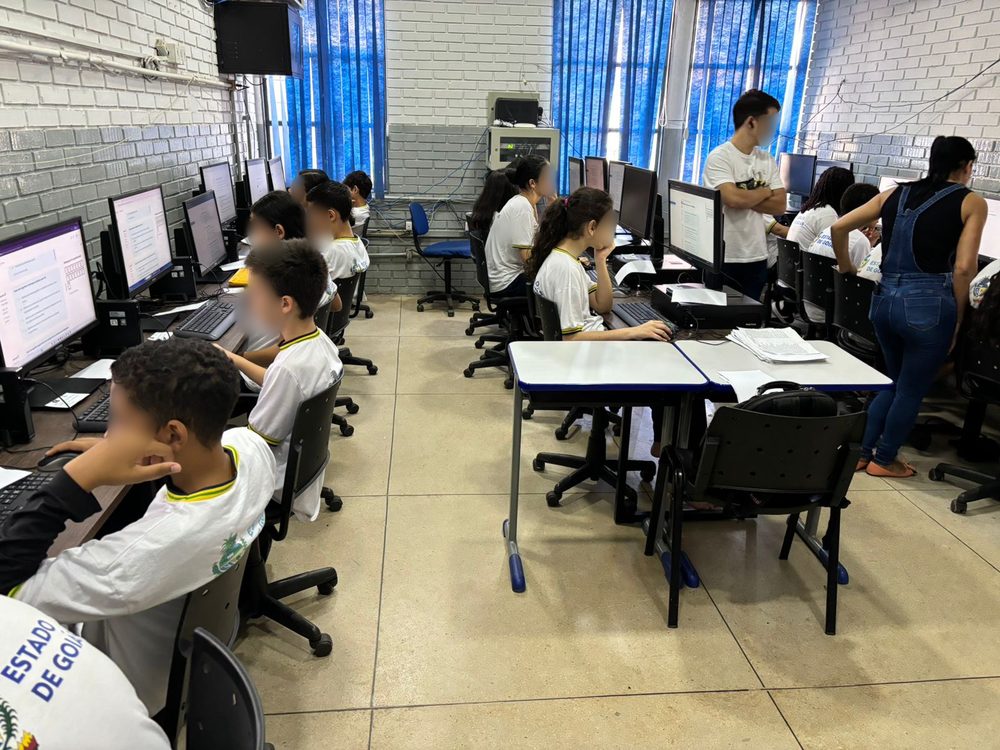
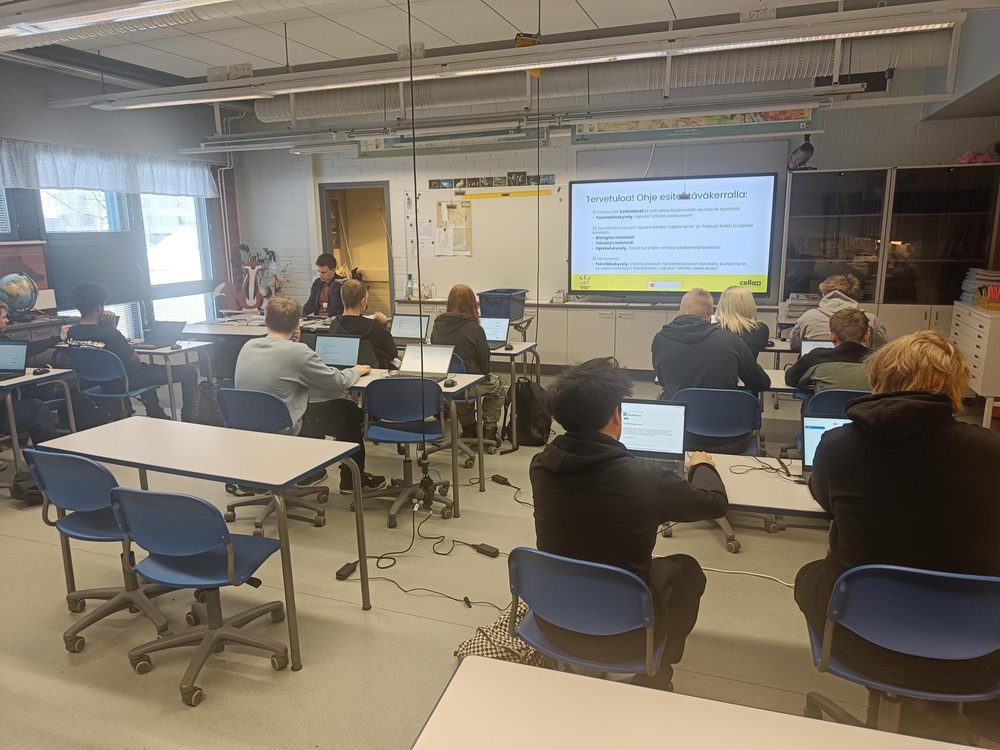
🚀 Phase 1 (2022—2023): Measuring self-regulated learning (SRL) in secondary education students’ multiple source writing tasks. In this phase we have used a similar set-up across all sites to measure SRL. For more information, you can read the following open access article.
🚀 Phase 2 (2023—2024): Measuring SRL in diverse learning scenarios to inform SRL support through human-AI collaboration for secondary education students. In this phase we have used the same basis for measuring SRL processes as phase 1, but each site has added a new form of human-AI regulation to measure SRL before, during and after learning. We have also worked on a systematic review, that shows how studies have used different datastreams (e.g. eye tracking, log data) to inform different aspects of SRL (cognitive, metacognitive, motivational and affective processes) with which methods.
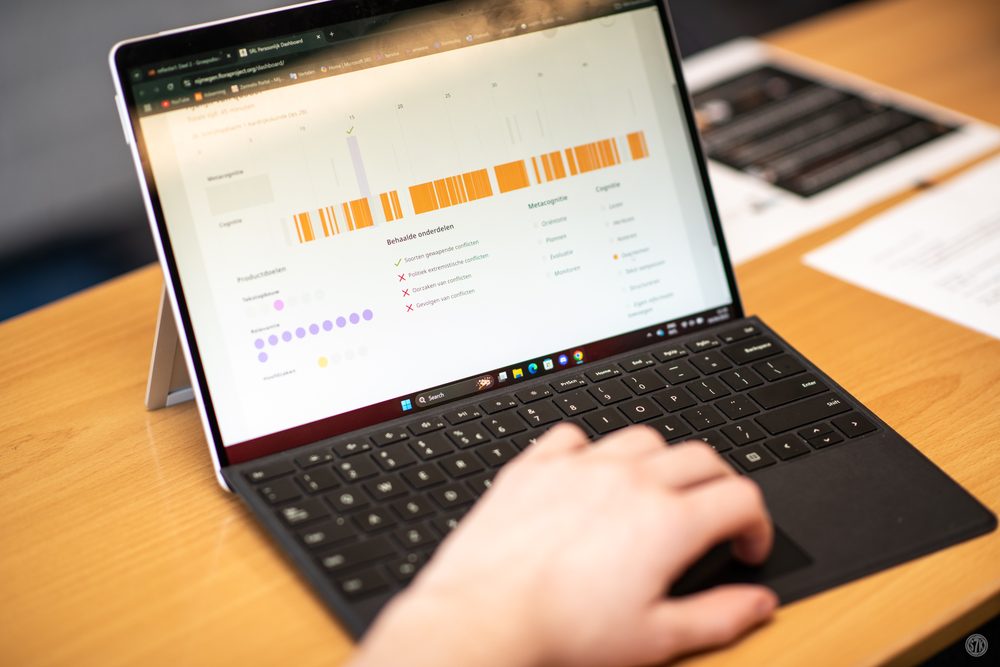
🚀 Phase 3 (2024—2025): Supporting SRL through human-AI collaboration in multiple source writing tasks. Each site is currently working on developing different forms of SRL support tools, ranging from generative AI chatbots, nudging, scaffolding and learning analytics dashboards. In addition, we also co-create with teachers to develop these support tools. We will also investigate the role of a peer artificial “AI” agent that provides learners with non-verbal metacognitive information via facial expressions while students learn about various human body systems in a multimodal learning environment. This study will examine how learners’ metacognitive judgement accuracy changes over time depending on the accuracy of their AI peer agent – EMMA.
🚀 Phase 4 (2025—2026): Coming soon ...
Countries involved so far
 Australia
 Austria
 Brazil
 China
 Colombia
 Czech Republic
 Denmark
 Finland
 Germany
 India
 Indonesia
 Malaysia
 the Netherlands
 Peru
 Saudi Arabia
 Slovakia
 Uganda
 United Arab Emirates
 the United Kingdom
 the United States
- …and more